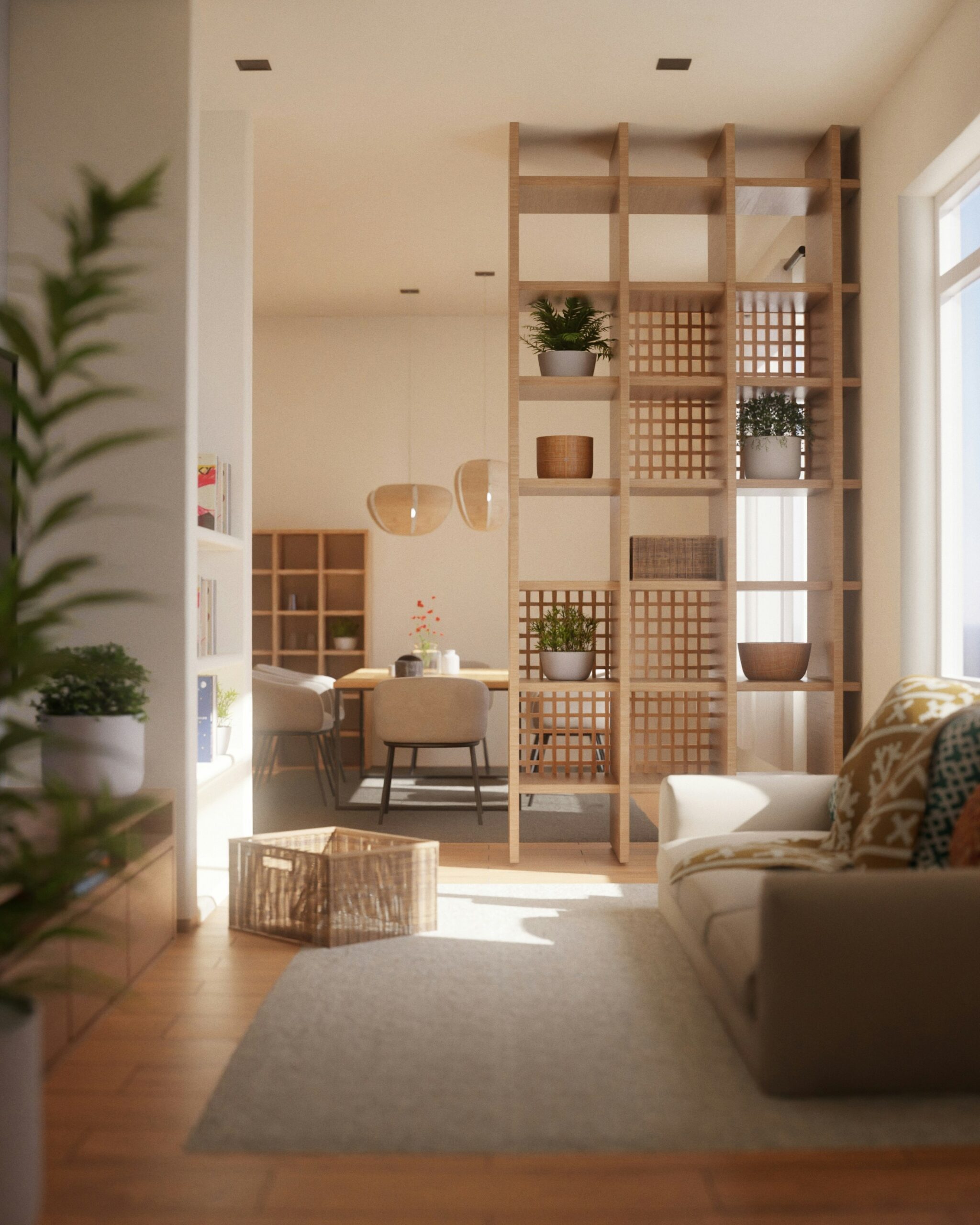
7 Japandi Living Room Ideas That Bring Warmth, Flow, and Quiet Ease
7 Japandi Living Room Ideas for a Warm and Minimal Home
A living room should feel like an exhale. Not crowded. Not restless. Just open, warm, and gently held together by the right textures, tones, and choices. In Japandi design, flow is not something forced — it is something the room begins to offer when everything unnecessary falls away.
A calm home begins to flow when each layer supports the next
Series 1 shaped intention. Series 2 brought warmth through color. Series 3 created clarity through simplicity. Now Series 4 opens the room wider — into flow, softness, movement, and a living space that feels easier to return to every day.
Japandi living rooms combine the warmth of Scandinavian design with the simplicity of Japanese interiors, creating spaces that feel calm, balanced, and inviting. Through natural materials, soft colors, clean lines, and intentional furniture placement, the room begins to feel more peaceful without ever becoming empty.
This is where the series opens further. Series 1 grounded the room in intention. Series 2 brought warmth through color. Series 3 cleared the space so it could breathe. Now Series 4 is about flow — the way a room moves, welcomes, softens, and holds daily life with quiet grace.
Why Japandi Living Rooms Feel So Balanced
A Japandi living room feels balanced because nothing is competing for attention. The palette is soft. The furniture is grounded. The materials feel honest. And the layout allows movement, light, and rest to coexist. The room becomes easier to live in because it is not asking to be constantly managed.
When warmth and simplicity meet in the right proportion, the space begins to feel generous. It offers comfort without clutter and beauty without performance.
If you are shaping your home one step at a time, start with the earlier layers first. Intention, color, and clarity make flow much easier to create. A living room feels most complete when the deeper foundation is already there.
1. A Neutral Color Palette for a Calm Foundation
Japandi living rooms usually begin with a neutral palette. Shades like beige, cream, warm white, soft gray, and natural wood create a room that feels open and restful without looking flat. These tones reflect light softly and set a calm emotional tone from the very beginning.
Keeping the palette simple also helps the room feel more organized. Instead of chasing contrast, Japandi design leans into harmony. That harmony is what makes the space feel so easy to return to.
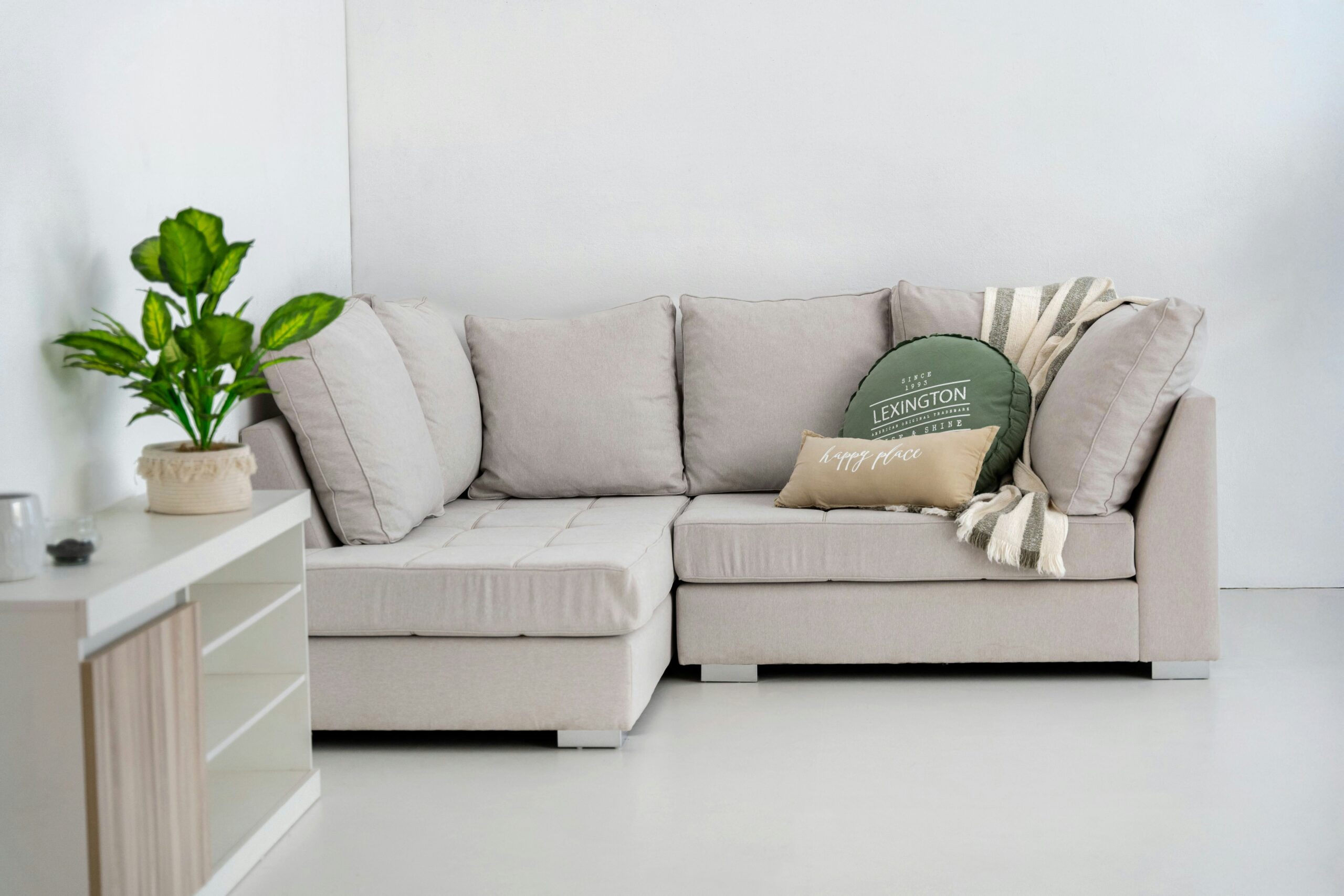
2. Low Furniture for a More Grounded Room
Low furniture is one of the quiet details that changes the entire mood of a room. Sofas, tables, and chairs that sit closer to the floor make the space feel calmer, more grounded, and more open to the eye. The room stops feeling crowded and starts feeling composed.
This lower visual line also creates a more relaxed rhythm throughout the space. It allows light, walls, and breathing room to take on greater importance — and that shift is part of what makes Japandi interiors feel so peaceful.
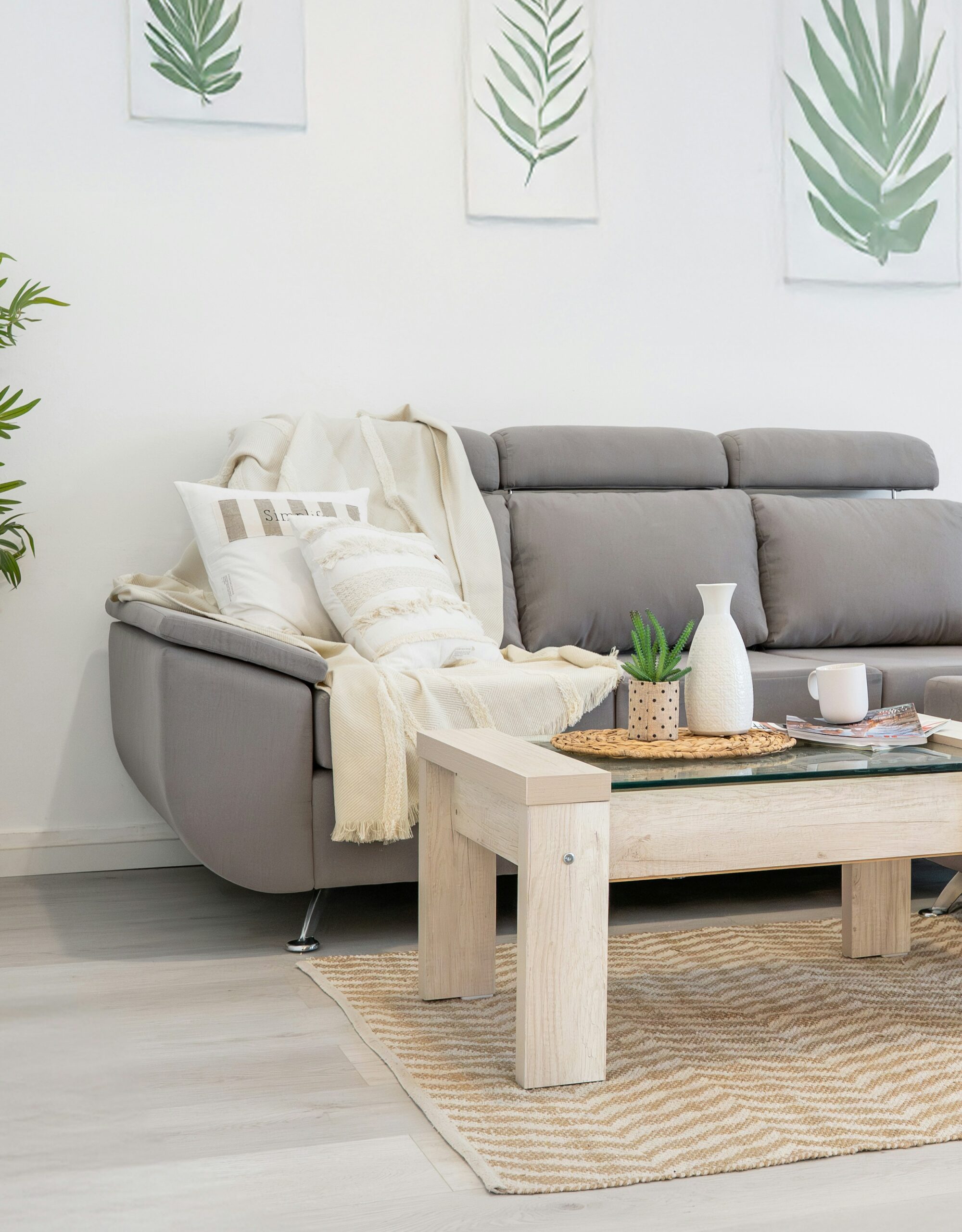
3. Natural Wood for Warmth and Honesty
Wood is one of the most important materials in Japandi design because it carries both warmth and quiet authenticity. Light oak, walnut, and soft natural finishes bring life into the living room without disturbing its calm. The grain adds movement. The tone adds comfort.
Used in shelving, furniture, coffee tables, or flooring, wood balances minimalism by making it feel more human. It reminds the room to stay rooted.
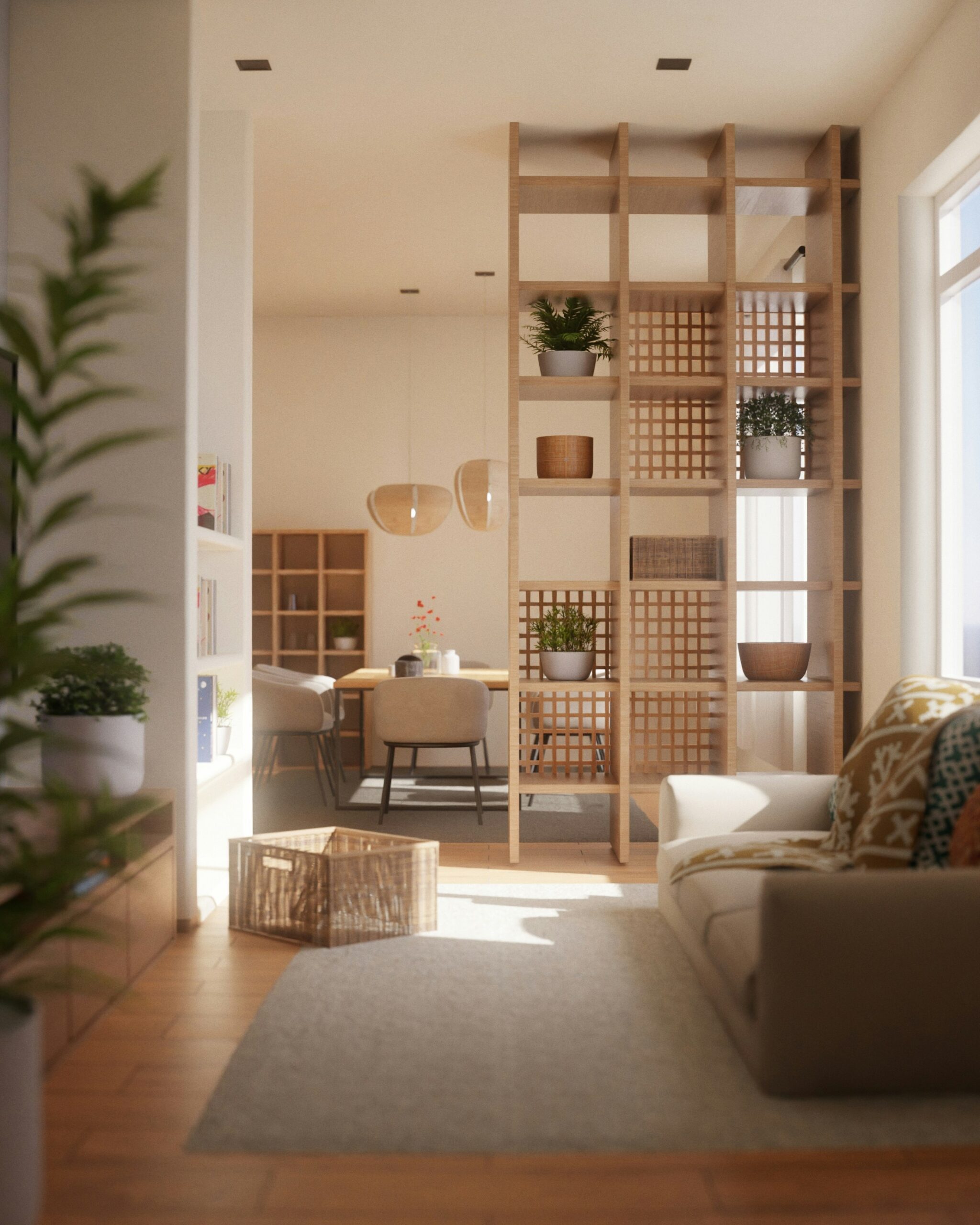
Flow usually appears when the room is allowed to do less
A living room does not need more noise to feel complete. A softer layout, grounded furniture, warmer light, and a few practical textured pieces can already change how the whole home feels.
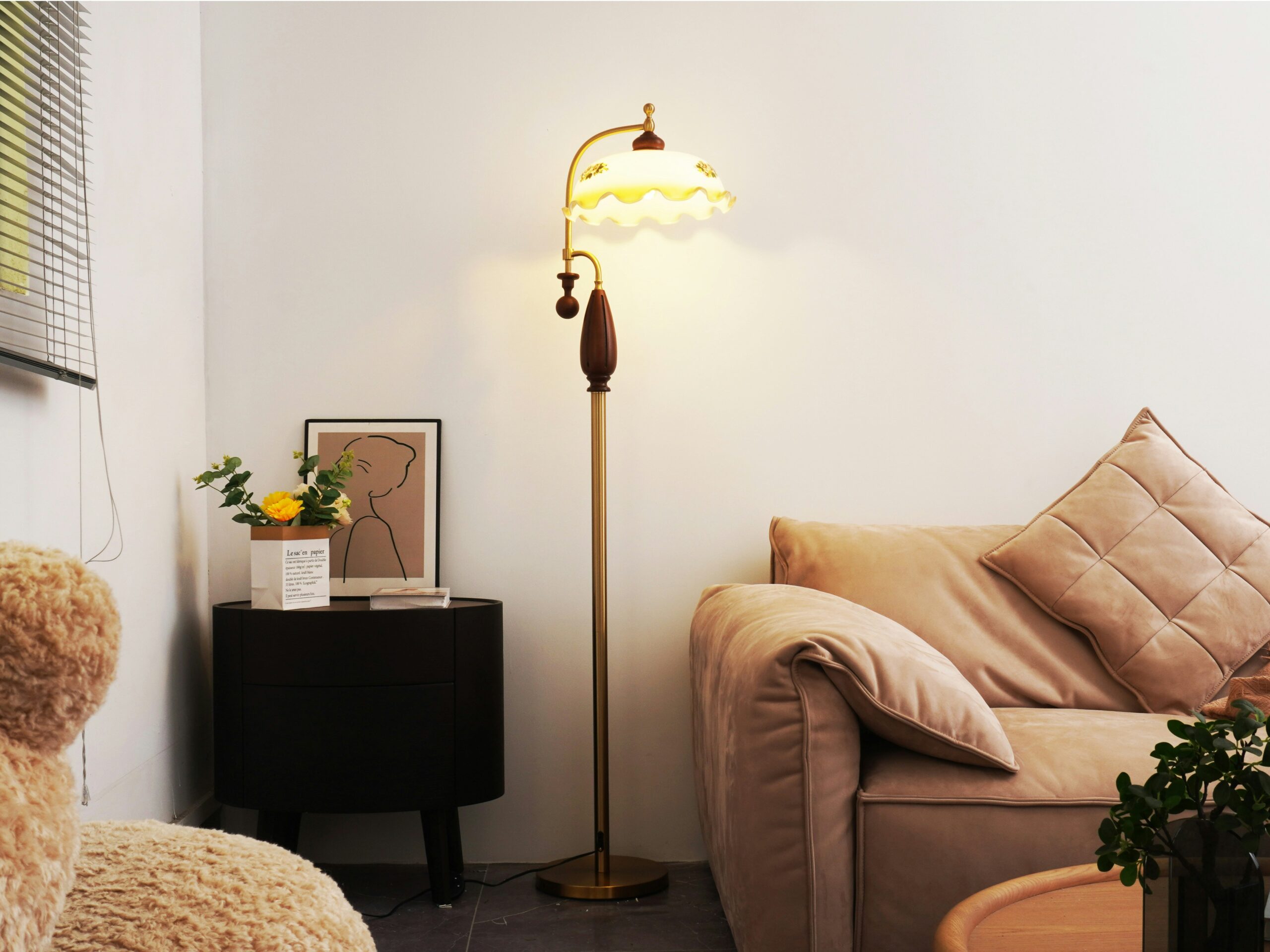
4. Soft Lighting for a Cozy Atmosphere
Lighting shapes the mood of a living room more than almost anything else. Japandi spaces feel especially inviting when the light is soft, warm, and layered rather than bright and harsh. A lamp in the right corner can make the whole room feel gentler.
Floor lamps, table lamps, and warm bulbs all help the room transition beautifully from day to evening. Soft lighting does not just illuminate the space — it teaches it how to rest.
5. Simple Decor with Meaning
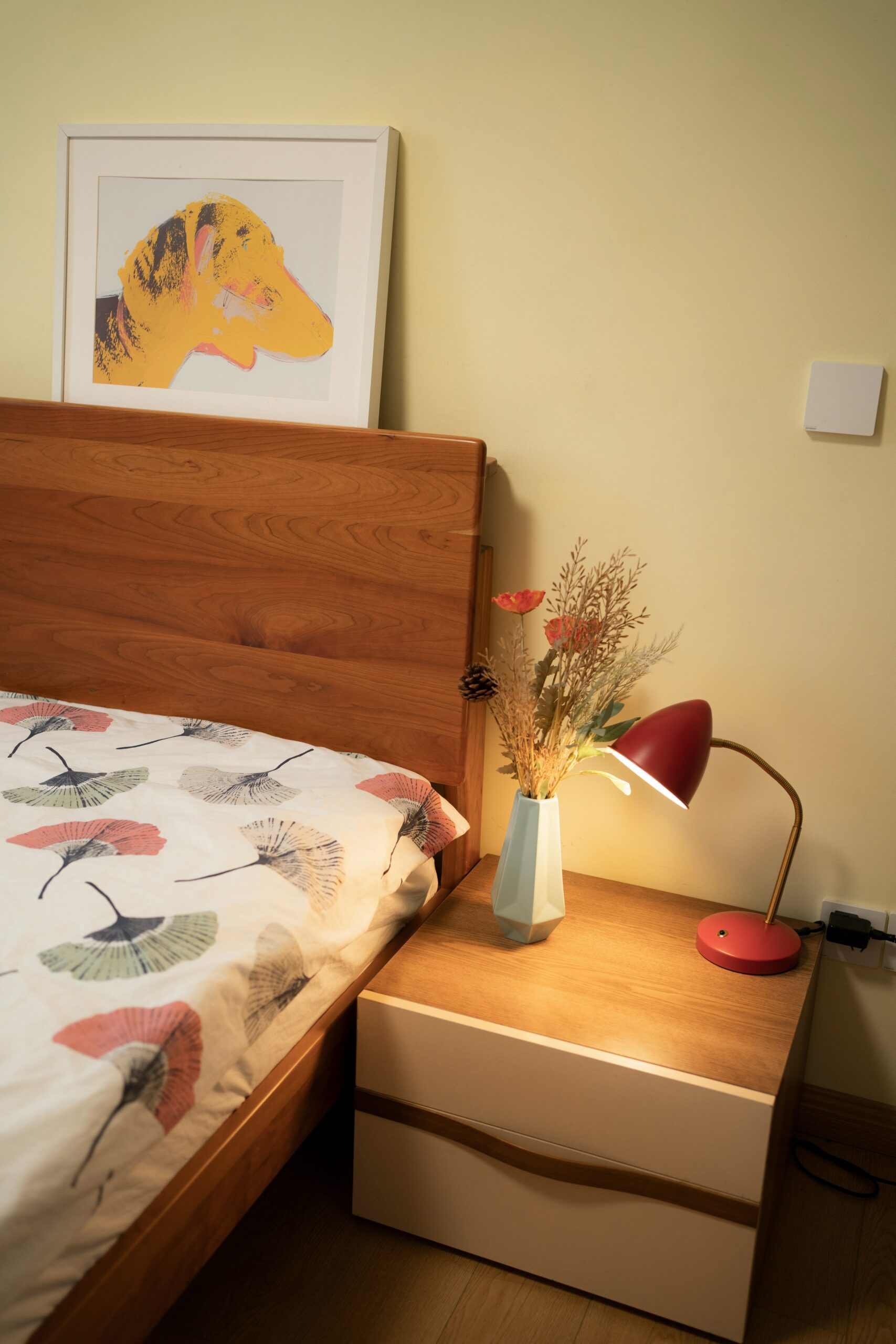
Japandi style avoids clutter and chooses decor with intention. Instead of filling shelves and surfaces with many objects, it asks for one or two pieces that feel honest and enough — a vase, a book, a branch, a sculptural form, a ceramic bowl.
When decor is selected with care, it adds personality without disturbing the calm. The room feels more thoughtful, more refined, and far easier to settle into.
6. Indoor Plants for a Natural Touch
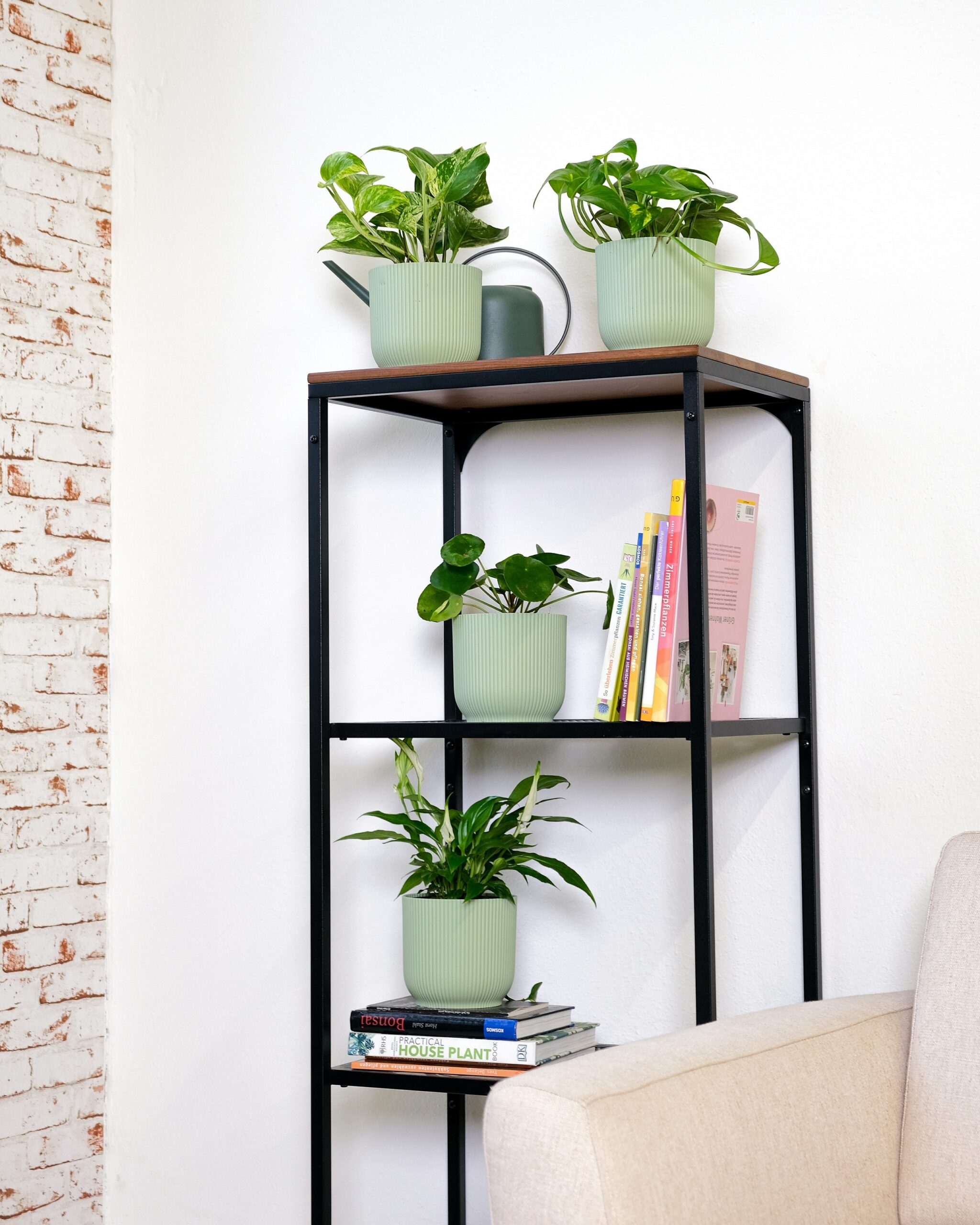
Plants bring softness and life into a Japandi living room without making it feel busy. A small tree, a simple stem arrangement, or one piece of dried greenery can reconnect the room to nature in a gentle, understated way.
Nature is an important part of the Japandi mood. Even one plant can shift the room from minimal to quietly alive.
7. Open Space and a Balanced Layout
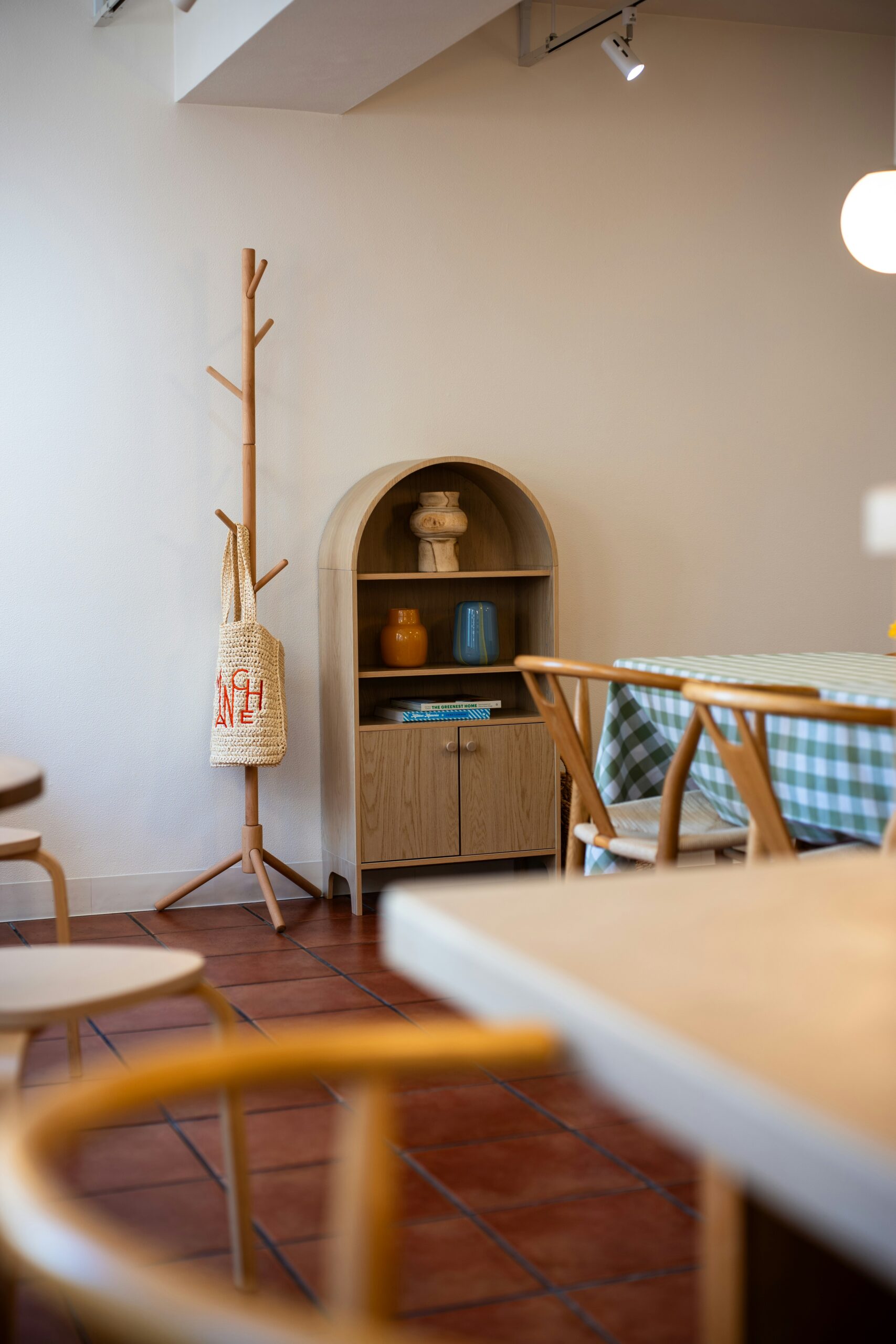
Japandi living rooms feel best when there is enough open space for the room to breathe. Instead of filling every corner, furniture is placed with intention so movement feels natural and the layout remains light. This is where flow becomes visible.
A balanced layout changes how the whole home feels. When the room is easy to move through, it becomes easier to relax in too. Spaciousness, in this sense, is not about size. It is about restraint.
Final Thoughts
A Japandi living room is not about making the home look empty or overly styled. It is about creating a space that feels balanced, warm, and naturally easy to live in. Through neutral color, wood, soft light, meaningful decor, and open layout, the room begins to hold daily life with more grace.
Flow opens when you stop forcing the room to impress and begin allowing it to support the way you actually want to feel. Slower. Lighter. More grounded. More present. Often it is the smallest adjustments that make a home feel the most alive.
Keep only what brings warmth, meaning, and ease. Let the room breathe. And trust that a calm home is something you build the same way you build a better life — gently, intentionally, and one honest choice at a time.
A warm room feels lighter when it can still breathe
If this room feels like the direction you want, keep going gently. Revisit the earlier layers, keep the layout open, and choose only the pieces that add warmth, function, and a calmer emotional tone to everyday life.